Landscaping for Wildlife: Building a Habitat That Attracts Nature


Establishing a inviting outdoor space is not just about appearance; it's about nurturing a thriving ecosystem that supports local wildlife. Gardens designed with nature in mind can turn your garden into a sanctuary for birds, butterflies, and helpful insects. By utilizing thoughtful landscaping ideas, you can cultivate an environment that coordinates beauty, functionality, and biodiversity, making your outdoor area a true natural habitat.
With the rise in awareness about the importance of sustainability, more homeowners are pursuing professional landscaping services that adhere to eco-friendly principles. Whether you are embarking on a small garden project or an expansive property redesign, the right landscaping strategies can not only improve your outdoor living experience but also raise your property's value. Embrace innovative landscaping trends that invite nature into your backyard while ensuring that your exterior remains stylish and inviting for you and your guests.
Crucial Landscaping Suggestions for Wildlife
Designing a nature-friendly landscape commences with incorporating native plants. Such plants flourish in the native environment and offer essential food and shelter for birds, pollinators, and various creatures. By selecting a variety of native flowers, shrubs, and trees, you can develop a rich ecosystem that invites pollinators like honeybees and butterflies, while also supplying refuge for small mammals and birds. Consider installing a combination of flowering and fruit-bearing species to guarantee year-round appeal and nutrition for local wildlife.
Water features can considerably improve your landscape's appeal to wildlife. Incorporating a small pond, birdbath, or including a trickling stream can offer essential hydration and attract a diversity of species. Birds will come to a water source for drinking and bathing, and many amphibians and insects will utilize ponds for breeding. satisfaction or logs around the water feature can provide natural habitats for frogs and various creatures. Guaranteeing that these water sources are clean and safe will foster a healthy wildlife community in your yard.
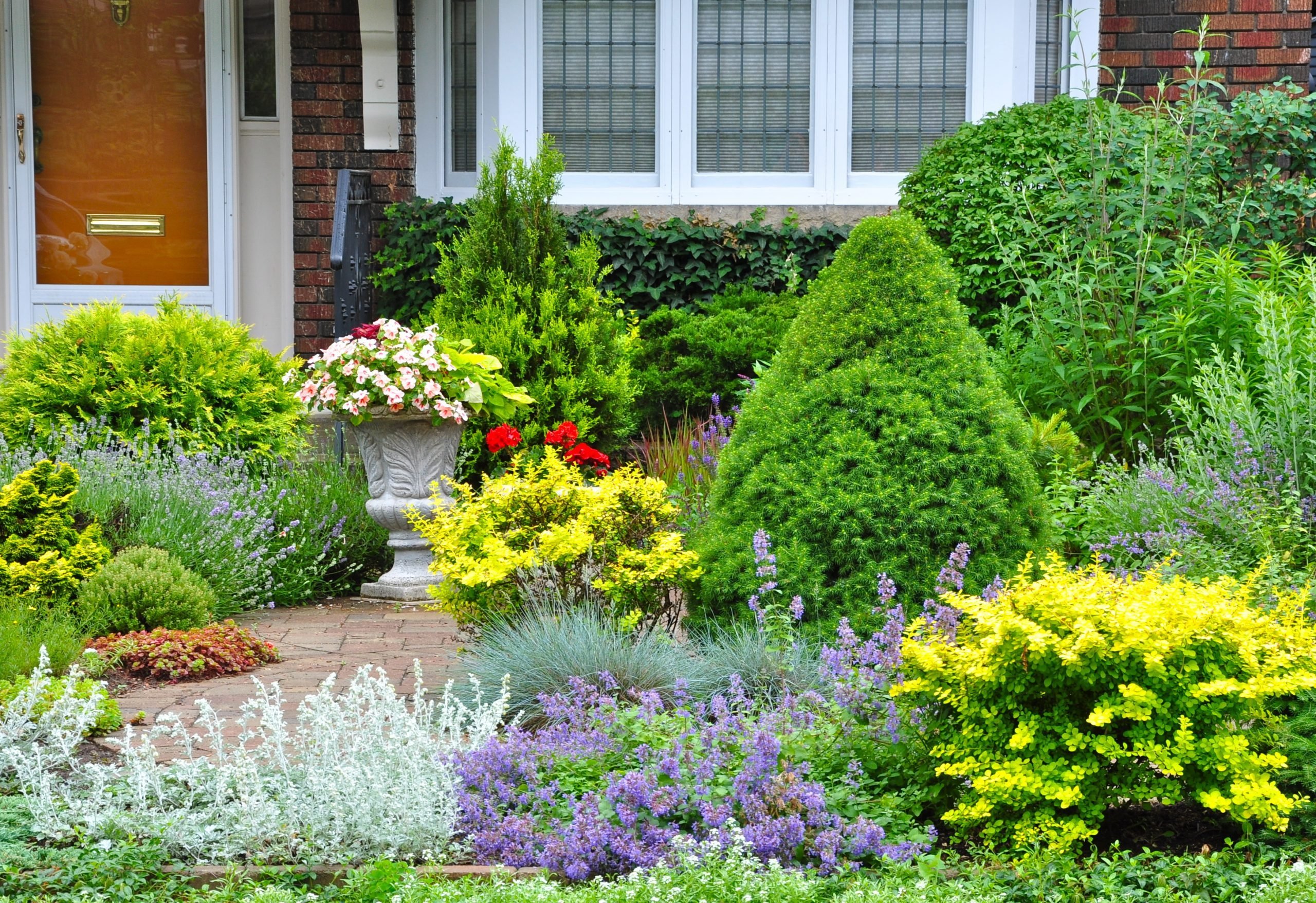
One more vital aspect of landscaping for wildlife is creating shelter and nesting options. Thoughtfully arranging brush piles, stone walls, or also establishing a small meadow can offer refuge and breeding sites for different animals. Including birdhouses, bat boxes, and insect hotels can also invite species to take up residence in your yard. By providing these natural habitats, your landscape can become a sanctuary for wildlife, nurturing biodiversity and creating a vibrant outdoor space that cohabits with nature.
Eco-Friendly Practices for Eco-Friendly Spaces
Developing an green landscape begins with picking native plants that flourish in your local environment. Native species require less water, fertilizer, and pesticides, rendering them a practical choice. Incorporating these plants into your outdoor space merely aids local wildlife but also encourages biodiversity. To ensure a thriving habitat, contemplate grouping plants with similar water and sunlight needs, which also makes maintenance and saves resources.
Water conservation techniques are essential for sustainable landscaping. Implementing rain gardens, permeable paving, and bioswales can help control runoff and enhance groundwater recharge. Drip irrigation systems or soaker hoses can effectively provide water straight to the roots of plants, minimizing waste. Additionally, collecting rainwater in barrels for irrigation can additionally reduce your water usage and decrease utility bills.
Incorporating hardscaping elements, such as gravel pathways and stone patios, can help lessen soil erosion and handle runoff well. By using organic mulch around your planting areas, you can retain moisture, minimize weeds, and fertilize the soil as it rots. These sustainable practices not just establish an eco-friendly environment but also boost the overall appeal and usability of your outdoor space.
Maximizing Curb Appeal via Creative Landscaping
Improving your property's street presence can materially impact its market value and appeal. Creative landscape designs play a crucial role in defining the style for your property. Consider adding special features including aesthetic pathways, stylish plant arrangements, and lush flower beds that complement your house's architecture. Thoughtful use of color can attract attention and foster a inviting atmosphere. By integrating attention-grabbing elements, you can ensure that your exterior area not only is attractive but also reflects your unique aesthetic.
In plus to looks, usability should not be neglected. Adding hardscaping elements such as garden walls or fixed seating areas can improve your garden's usability while boosting its visual appeal. Placing lighting fixtures along walkways or around features can produce an welcoming ambiance in the nighttime. Adding these features into your landscaping can change your front garden into a inviting space that invites attention and enhances overall curb appeal.
To realize the optimal results, it may be advisable to consult expert landscape designers that focus in modern homes. They can deliver tailored landscaping plans crafted to your unique property, ensuring a harmonious design that aligns with the current landscaping trends. With their skills, you can prevent common blunders and create a beautiful outdoor space that successfully maximizes your house's curb appeal, making a lasting impression on onlookers and passersby alike.